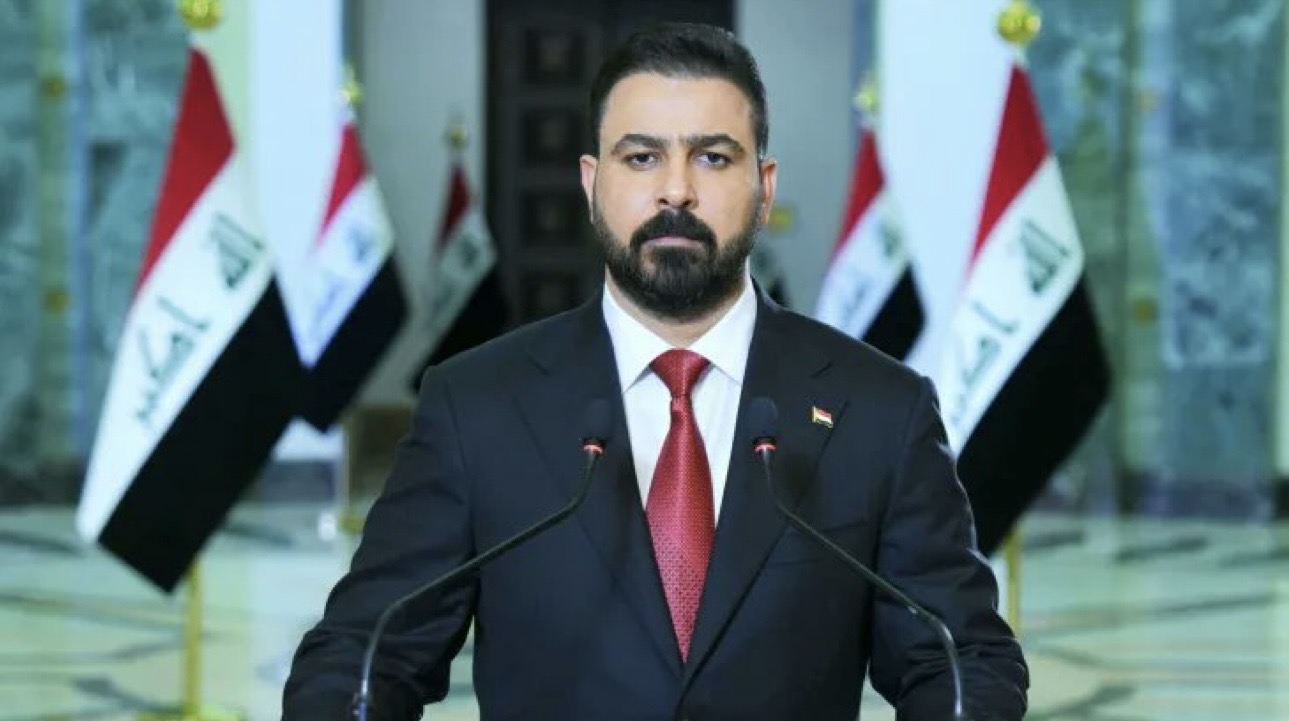
When Ali al-Zaidi became Iraq’s prime minister in May, many expected him to be little more than another caretaker leader, constrained by the country’s entrenched political system and Iran’s long-standing influence.
Instead, Iraq awoke today to one of the most dramatic anti-corruption operations in its modern history.
In a sweeping crackdown, Iraqi authorities targeted senior government officials, influential political figures, and networks allegedly linked to billions of dollars in corruption and fraud. Reports suggest the operation has shaken Iraq’s political elite so deeply that some politicians are now attempting to leave the country.
The timing is especially significant.
In recent months, Washington has quietly recalibrated its approach to Iraq and Syria, placing greater emphasis on stability, national sovereignty, and regional normalization rather than prolonged military engagement.
Former President Donald Trump has made that shift a cornerstone of his Middle East agenda, while Presidential Special Envoy Tom Barrack has taken on an increasingly visible role in promoting security, institutional reform, investment, and stronger state governance across the region.
Although today’s operation was conducted entirely by Iraq’s Counter Terrorism Service, with no reported U.S. military involvement, it comes amid renewed American backing for a stronger and more independent Iraqi state.
According to reports, investigators have uncovered as much as $50 billion in suspected corruption and fraudulent activity. The investigation is said to extend into Parliament, the oil industry, and some of Iraq’s most powerful political networks.
If those figures are confirmed, the crackdown would rank as Iraq’s most significant anti-corruption campaign since the fall of Saddam Hussein.
With Parliament currently in recess, lawmakers are unable to invoke parliamentary immunity, creating a rare opportunity for investigators to pursue high-profile cases.
Among those reportedly arrested is Adnan Jamali, General Manager of the North Oil Company, who is accused of issuing fraudulent tenders. The oil sector has long been viewed as one of the country’s most corruption-plagued industries, with experts estimating that tens of billions of dollars have been siphoned away over the past two decades.
Supporters of the operation argue that it represents a long-overdue effort to confront Iraq’s deeply entrenched political establishment.
However, the reported inclusion of several prominent political rivals, including leading Sunni figures, has raised inevitable questions about the campaign’s broader motives.
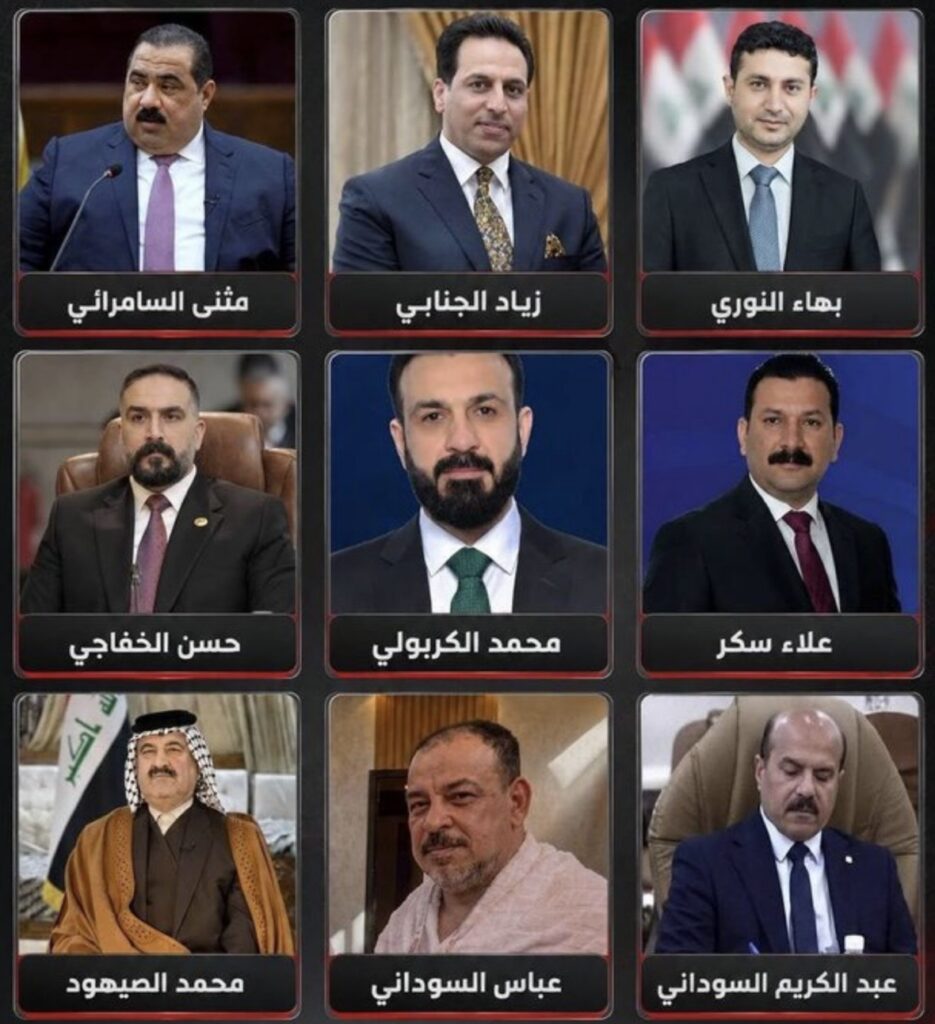
Is this purely an anti-corruption drive, or is the fight against corruption also being used to sideline political opponents?
There is little dispute that corruption has devastated Iraq. Since 2003, experts have estimated that hundreds of billions of dollars have been lost through fraudulent contracts, patronage networks, and the misuse of public funds.
Few would argue that meaningful reform is unnecessary. Yet Iraq’s history also offers a cautionary lesson: previous campaigns against political rivals have often deepened sectarian divisions and undermined national unity.
If the current crackdown is ultimately viewed as selective justice rather than equal enforcement of the law, today’s political victory could become tomorrow’s crisis.
Still, another possibility is emerging.
Zaidi may be attempting to redefine what Iraqi leadership looks like. His government has surprised many regional observers and officials in Washington by pursuing a broader foreign policy, emphasizing Iraqi sovereignty, strengthening ties with international partners, and signaling a willingness to curb the influence of non-state armed groups.
For a leader widely dismissed just weeks ago as an Iranian-backed placeholder, it would mark a striking political transformation—if the momentum can be sustained.