




A new drug called apitegromab may help people taking weight-loss injections avoid one of the most common concerns linked to rapid weight loss: muscle loss. This unwanted side effect has been associated with changes in body shape, including what many people have nicknamed “Ozempic butt” — a flatter or sagging appearance caused by a reduction in fat and muscle tissue.
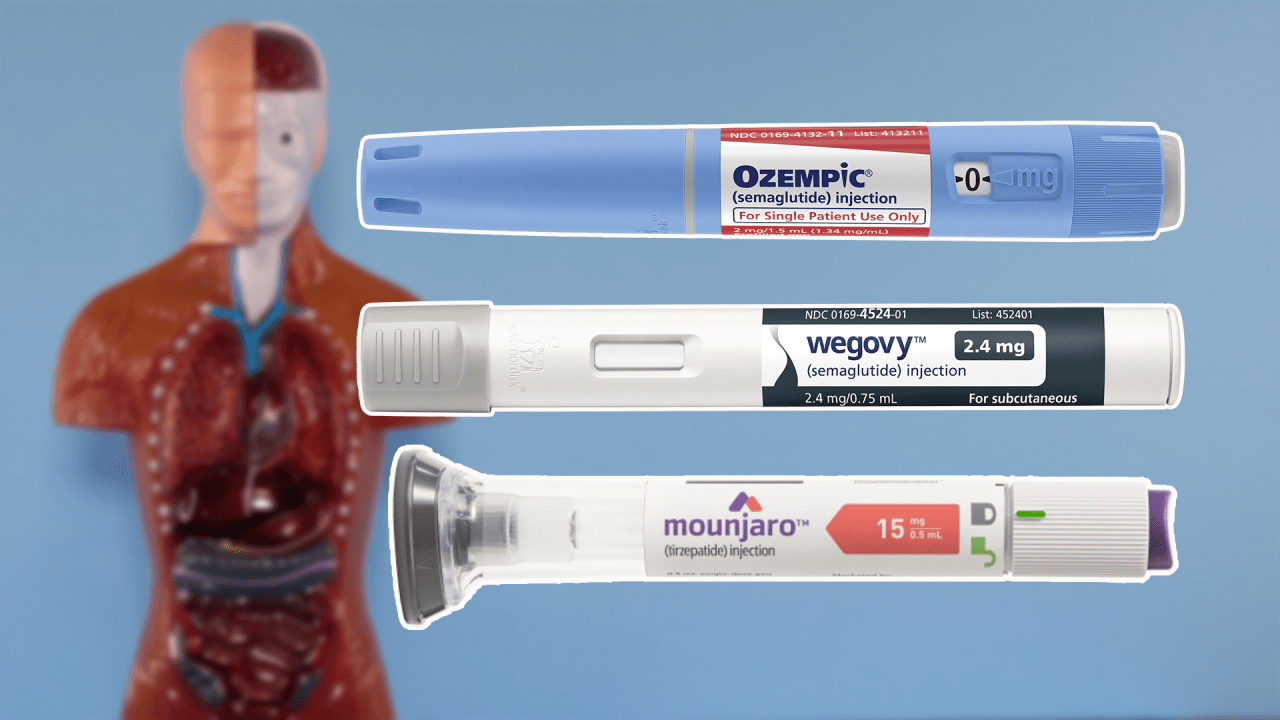
According to research published in the Nature Medicine journal, people using GLP-1 weight-loss medications such as Wegovy, Mounjaro, and Ozempic can lose a significant amount of muscle alongside fat. Researchers estimate that up to one-third of the total weight lost may come from muscle rather than fat.
In a six-month clinical trial involving 102 adults, most of whom were women, participants who received apitegromab alongside the weight-loss drug Mounjaro were able to preserve more muscle while continuing to lose fat. Body scans revealed that those taking apitegromab retained approximately 1.9 kilograms more muscle mass than those who received a placebo treatment.
The study found that muscle loss accounted for only 14.6% of total weight loss in the apitegromab group, compared with 30.2% in the placebo group. This suggests that the drug may help protect lean muscle tissue while allowing people to achieve their weight-loss goals.
Rapid weight loss often causes reductions in fat, muscle, and other body tissues. Experts believe these physical changes are mainly due to losing weight quickly rather than the medications themselves. Since GLP-1 drugs suppress appetite and help people feel full for longer, many users consume significantly fewer calories, leading to substantial weight loss.
Unlike body fat, muscle is much harder to rebuild once it is lost. This is why maintaining muscle mass during weight loss is important for overall strength, mobility, and long-term health. Some users of GLP-1 medications have reported noticeable changes in their body shape, including a loss of volume in the buttocks, a phenomenon popularly referred to as “Ozempic butt.” Plastic surgeons in the United States have reported an increase in consultations from patients concerned about these changes.
Healthcare professionals already advise people taking GLP-1 medications to follow a balanced diet and include regular strength-training exercises in their routine to help preserve muscle. Experts also stress that these medications are intended for managing obesity and related health conditions, not as a quick cosmetic solution for short-term weight loss.
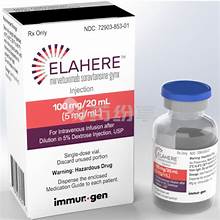
At present, apitegromab remains an experimental treatment and is only available through clinical trials. The drug is administered through intravenous infusion, although the manufacturer is exploring the possibility of developing a self-injection pen similar to existing GLP-1 medications.
Apitegromab works by blocking a protein involved in muscle breakdown. Researchers are also investigating its potential use in treating other muscle-related conditions, including spinal muscular atrophy.
While the findings are encouraging, experts caution that more research is needed before the drug can be widely recommended. Dr. Marie Spreckley of the University of Cambridge described the results as promising early evidence but emphasized the need for larger and longer studies to determine whether preserving muscle mass leads to measurable improvements in strength, quality of life, and long-term health outcomes.
Similarly, Dr. Brendan Gabriel from the University of Aberdeen noted that apitegromab may not be necessary for everyone taking GLP-1 medications. However, it could prove particularly beneficial for individuals who experience significant muscle loss during treatment.
For now, experts agree that one of the best ways to protect muscle while losing weight is through regular strength training and proper nutrition. Strength training does not necessarily require a gym membership. Activities such as lifting weights, using resistance bands, gardening, climbing stairs, cycling, dancing, yoga, hill walking, and bodyweight exercises like squats, push-ups, and sit-ups can all help build and maintain muscle.
Protein intake also plays a crucial role. Research suggests that consuming between 20 and 40 grams of protein per meal can support muscle maintenance and growth. A simple guideline is to fill about a quarter of your plate with protein-rich foods such as meat, fish, beans, lentils, chickpeas, eggs, yogurt, or nuts at each meal.
As weight-loss medications become increasingly popular, preserving muscle mass is emerging as an important part of healthy and sustainable weight management. While apitegromab shows potential, further studies will determine whether it becomes a valuable addition to obesity treatment in the future.