




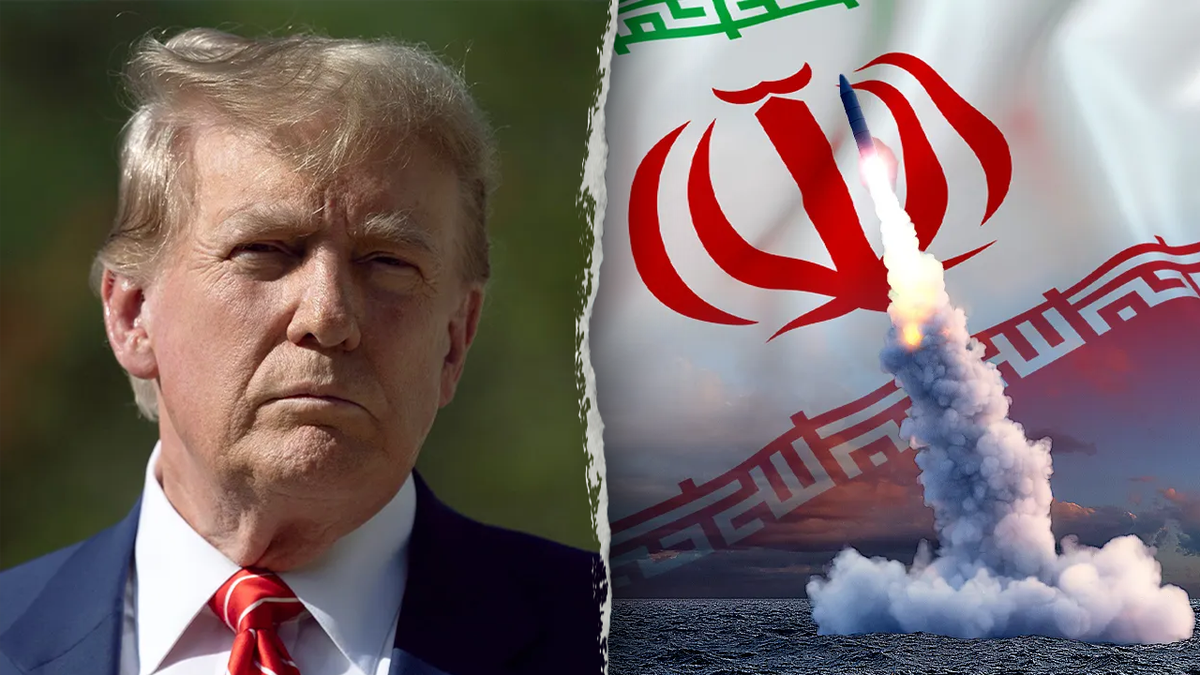
The fragile ceasefire between the United States and Iran is facing renewed pressure after both nations carried out military actions against each other, raising concerns that the conflict could spiral once again.
The US military announced that it had intercepted and destroyed four Iranian drones that were reportedly heading toward the Strait of Hormuz. According to US Central Command (Centcom), the drones posed an immediate threat to commercial shipping and maritime security in one of the world’s most critical energy corridors.
Following the drone interceptions, US forces launched strikes against Iranian coastal radar installations in southern Iran. Centcom described the operation as a defensive measure aimed at preventing further attacks and safeguarding regional stability.
Iran responded by launching ballistic missiles targeting two American air bases in Kuwait and US Navy facilities in Bahrain, according to reports from Iran’s state-run IRIB news agency.
However, Centcom stated that the missile attack caused limited impact. Initial assessments indicated that six of the seven missiles were successfully intercepted, while the remaining missile failed to reach its intended target.
The latest exchange marks a significant setback for a ceasefire that has been in effect since April but has remained increasingly fragile amid ongoing hostilities.
Adding to regional tensions, Kuwaiti authorities reported that an Iranian drone strike on Kuwait International Airport on Wednesday left one person dead and injured more than 60 others. Iran’s Islamic Revolutionary Guard Corps (IRGC) denied involvement, insisting that the damage resulted from a malfunction involving a US missile defense interceptor.
The US military rejected that explanation, describing the airport attack as a deliberate and unjustified act carried out by Iran.
Earlier, the IRGC claimed responsibility for strikes against US military facilities in the Gulf, saying they were retaliation for American attacks on an Iranian oil tanker and military targets on Qeshm Island.
Despite the ongoing confrontation, diplomatic and sporting ties have shown an unusual contrast. The United States has approved visas for Iran’s national football team ahead of their opening World Cup fixture in Los Angeles on 15 June. The tournament will mark the first known instance of a host nation welcoming a team from a country with which it is actively engaged in military conflict.
Meanwhile, efforts to secure a broader peace agreement appear to have stalled. Negotiations aimed at ending the conflict have made little progress, with reports suggesting that US President Donald Trump requested amendments to proposed terms.
Iranian officials have accused Washington of repeatedly changing its position during negotiations. Speaking on Monday, a spokesperson for Iran’s foreign ministry said the United States was introducing new and contradictory demands that were complicating efforts to reach an agreement.
The current crisis traces back to 28 February, when the United States and Israel launched large-scale military strikes against targets inside Iran. The operation triggered a wider regional conflict, drawing in several countries across the Middle East.
Iran retaliated by targeting Israel and US-aligned Gulf nations while also moving to effectively shut down the Strait of Hormuz, a vital shipping route through which approximately one-fifth of the world’s oil and liquefied natural gas supplies pass.
The disruption affected not only Iranian exports but also energy shipments from Iraq, Kuwait, Qatar, Saudi Arabia, and the United Arab Emirates. As a result, global oil prices surged, causing concern across international markets.
Although a ceasefire was eventually agreed upon in early April, tensions have remained high. Shortly after the truce took effect, the United States imposed a blockade on Iranian ports. President Trump stated that the restrictions would remain in place until a comprehensive agreement is reached, verified, and formally signed.
With military exchanges continuing and diplomatic talks at an impasse, the prospect of lasting peace between Washington and Tehran remains uncertain.